Can AI Eventually Outperform Human Surgeons?
Artificial intelligence has been on the rise recently with generative AI being a major talking point with Gemini and ChatGPT being able to generate videos and photos that look hyper-realistic. AI can also be used in healthcare to advance surgical procedures, as it can streamline processes and take weight off the human surgeon’s shoulders. It can even outperform humans in the future with AI having high-levels of precision and consistency, which will only improve over time.
This guide will explore how AI has the potential to outperform human surgeons in the future, improving the healthcare industry by giving patients more accurate procedures. Continue reading to learn more.
How AI Can Outperform Humans in Surgery
High Precision
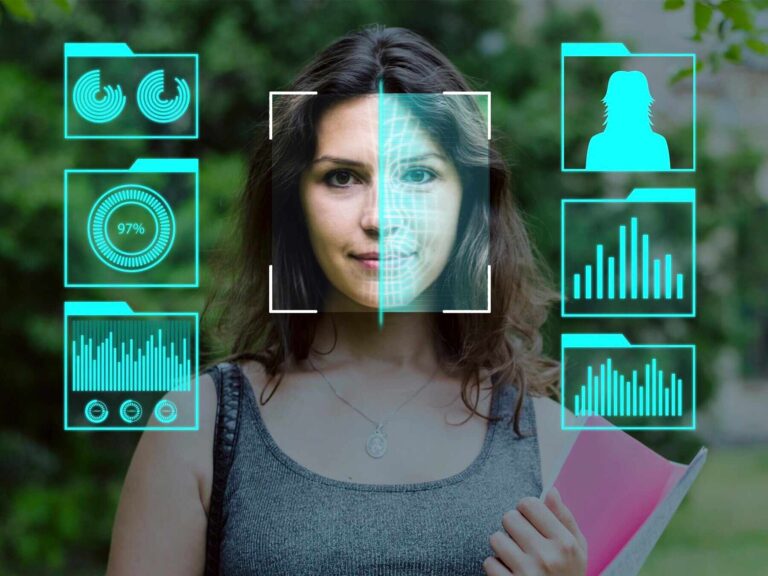
AI has the power to make the most precise cuts that are ideal for close quarter surgery. It can figure out what’s healthy tissue and cancerous tissue in real-time, helping the surgeon to make more precise incisions that remove only the necessary tissue. This is helped by its ability to create 3D reconstructions of a patient’s unique anatomy. With this, surgeons can identify the precise location of blood vessels and nerves, reducing the chance of accidentally cutting them and causing significant harm to the patient.
No Fatigue
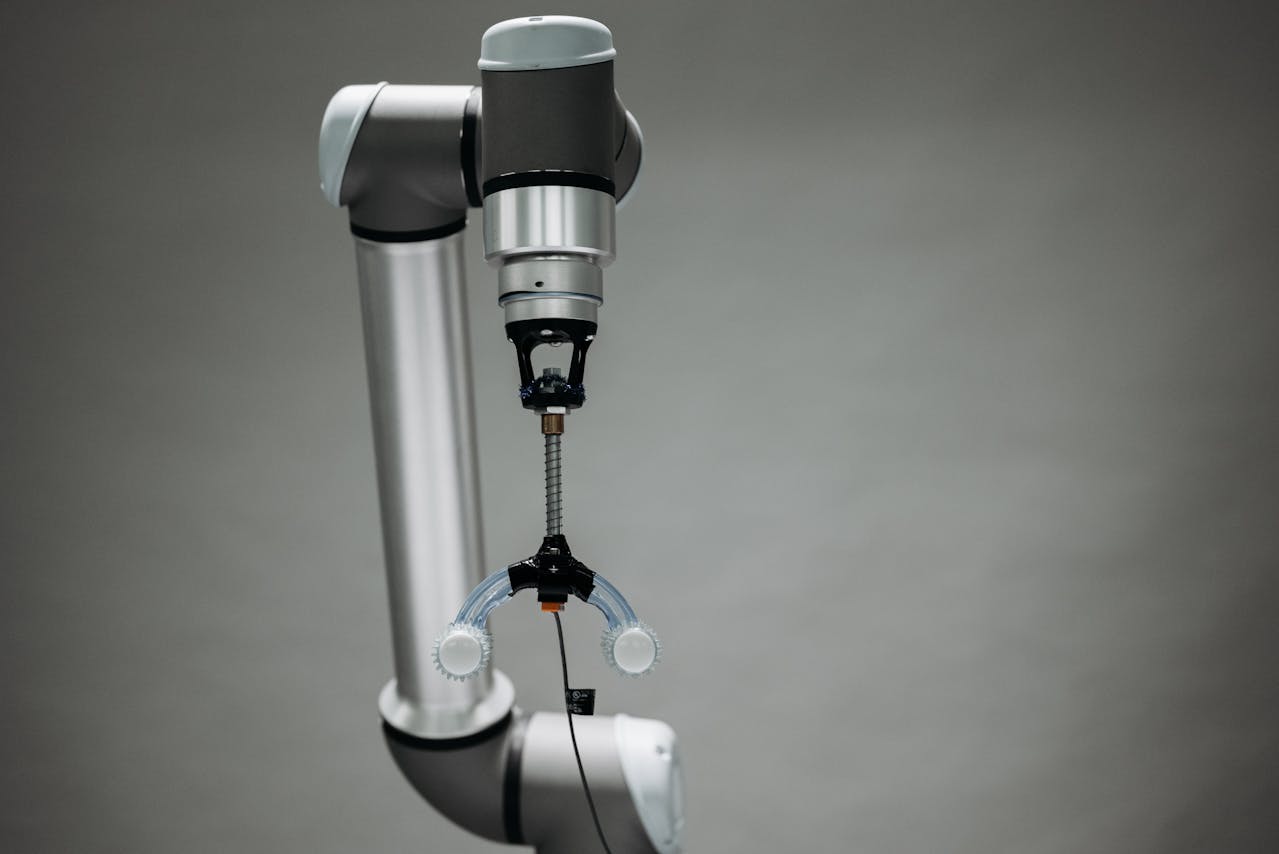
AI does not suffer from physical or mental exhaustion, so it can operate for extended periods without fatigue-related errors that can sometimes happen during human procedures, even though this is very rare. Researchers at Johns Hopkins developed the Smart Tissue Autonomous Robot (STAR), which uses AI to guide robotic arms in performing soft-tissue surgeries with 100% success rate on pig models. This was very time-consuming and would’ve been difficult for human surgeons to concrete over an extended period of time.
Real-time Analysis
Real-time analysis of surgical video can identify anatomical structures, warn of imminent dangers and suggest improving safety of certain procedures. AI can detect potential complications in real-time, such as excessive bleeding, which can help with warning the surgeon to pause and clear the field. It allows the whole procedure to change mid-flow, so they can deal with any operational hazards that appear.
Quicker Procedure
Autonomous robotic systems can be trained on vast datasets to perform consistent movements. Techniques like deep learning and computer vision enable robots to identify anatomical structures, find the best surgical paths and self-correct themselves to complete procedures efficiently and with fewer errors. Something that can take humans a few hours to analyse and react to can take AI a matter of minutes.
Areas Where Human Surgeons Remain Irreplaceable
Complex Decision-Making
While evidence-based guidelines exist, they are often insufficient for individual patients. This forces surgeons to rely on personal assessments of a patient’s unique physical or psychological factors that could impact the procedure. Although AI can be great at analysing the data and finding out what’s wrong with the patient, it can struggle to come to a final decision on what the next course of action should be.
Patient Empathy
Having a human connection is crucial for patient recovery, as it allows them to go for that extra mile to treat them, potentially being able to save their lives. Surgeons who have a passion for helping people will take the utmost care to ensure that the surgery is a success. Whereas, AI isn’t capable of empathy, so they will be completing a surgery using a set of commands rather than doing it knowing that they are going to save someone’s life or positively impact it. This will make people trust AI less, as it doesn’t care if a surgery is successful or not.
Accountability
If a robotic system fails, patients have the power to take legal action against the surgery practice or hospital where the procedure took place. There have been rare occasions where hospitals have used this technology too early and without it passing all of the proper tests, leading to catastrophic injuries where someone has lost limbs. Loss of a limb compensation can then be claimed, which can leave the practice in a dire financial situation.
Improvisation
Human surgeons are adept at improvising during unforeseen emergencies where an AI might struggle with undefined scenarios. AI still needs to be programmed to spot signs like this, making it very possible for it to miss situations which means improvisation that could save someone’s life isn’t able to happen. If a human surgeon sees signs of bleeding, they can react quickly and solve the problem straight away.
Final Thoughts
Whether AI can eventually outperform humans or not is undetermined, with many people giving in a hesitant yes. However, this is with an asterisk. AI is already on a trajectory to surpass human physical limits, but where it lacks is in an emotional sense. The human surgeon needs to remain the main navigator of procedures, using the AI to support them rather than allowing it to take over.